A battle-axe subdivision turns one street-front block into two lots, with the rear one reached by a long driveway handle. It can unlock real value, but the handle costs money to build, eats into your land area on paper, and the rear lot sells at a discount. Here's the maths that tells you whether it stacks up.
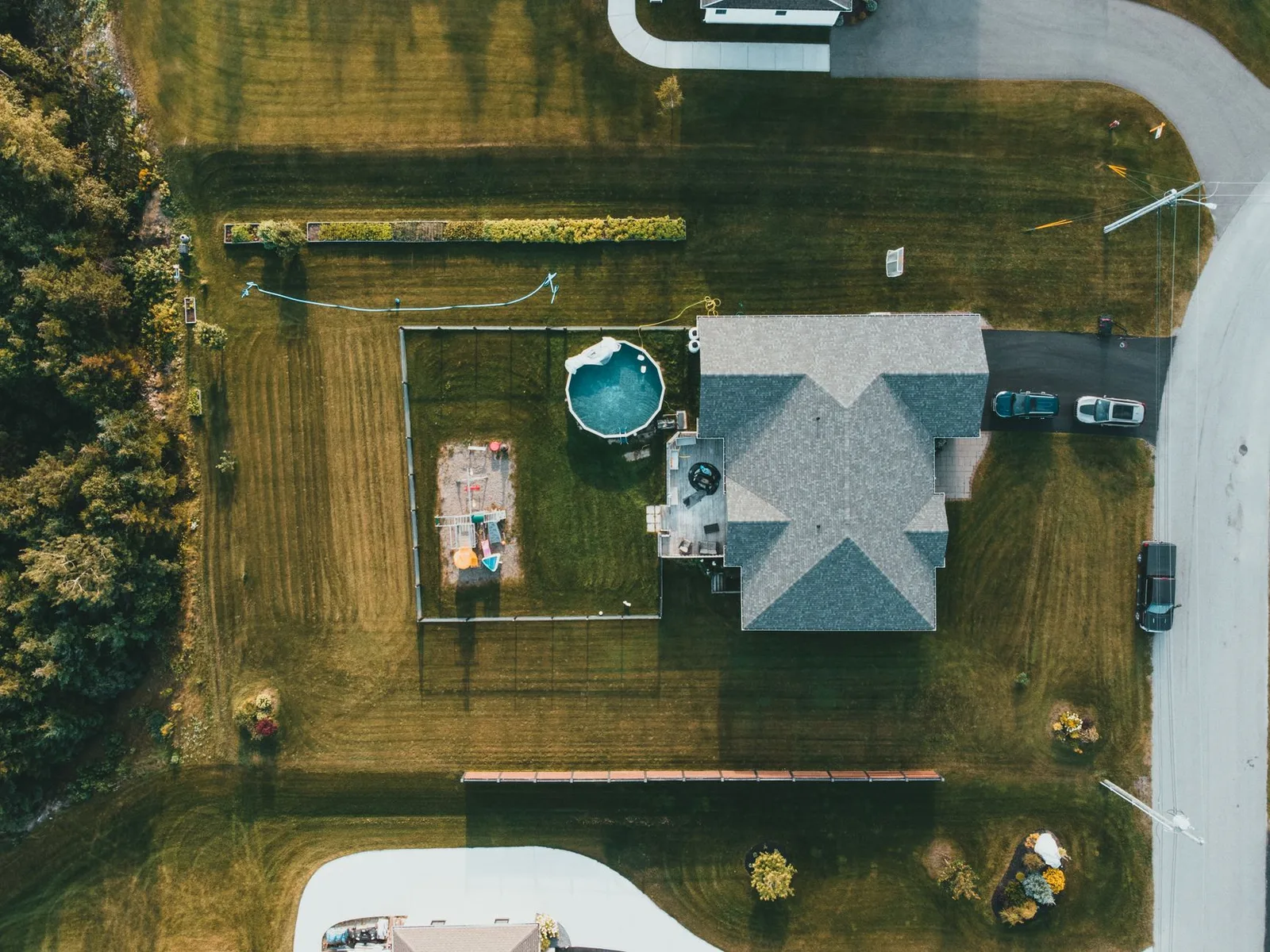
Picture a deep suburban block, wide enough at the street, running a long way back to a fence you can barely see from the front door. Most of that rear yard does nothing but grow grass. A battle-axe subdivision is the move that puts it to work: you carve off the back portion as its own lot and reach it by a narrow driveway, the handle, running down one side of the front house. From above it looks like an axe, a rectangular head at the back and a thin handle to the street, which is where the name comes from.
Done on the right block, it's one of the cleanest ways to create a second dwelling site without touching the house you already have. Done on the wrong one, the handle quietly eats the profit. We develop across the Illawarra and greater Sydney, and battle-axe splits are a proposal we look at constantly, so here's how the numbers actually break down.
What you're really creating
A standard battle-axe subdivision leaves the existing house on the front lot and creates a new, buildable rear lot behind it. The rear lot owner drives in along the handle, which becomes either part of their title or a right-of-carriageway over the front lot. The front house keeps most of its street presence and loses a strip of side yard to the driveway.
The appeal is simple. You either sell the rear lot as vacant land, build on it yourself, or partner with a developer who funds the second dwelling and shares the profit. In every version you've turned unused backyard into a separate asset.
The handle is where councils get particular
Handle width is the first thing that makes or breaks a battle-axe. Most NSW councils want the access handle at roughly 3.5 to 4 metres wide for a single rear dwelling. Push toward a duplex or a design where fire trucks need access and 4 metres or more becomes the floor, sometimes wider again for passing bays on a long handle. A block that's generous through the middle but pinched down one side may simply not have the width to give.
Then comes the part that surprises owners most. Many councils exclude the handle from the minimum lot area. So if your council sets a 450 square metre minimum for the rear lot, that 450 has to sit in the head of the axe, with the handle counted as extra on top. We have watched a subdivision that looked comfortable on a tape measure fall just short once the planner stopped counting the driveway, and the whole thing needed reworking. Check your council's rule on this before you fall in love with the plan, because it changes how deep your block needs to be.
What the handle costs to build
A driveway handle isn't a line you draw on a plan, it's civil work you pay for. You're building a proper vehicle-grade driveway the full length of the handle, which on a deep block can be 20 or 30 metres of concrete. Underneath and alongside it run the services for the rear lot: a new stormwater drainage line, often to the street or an easement, plus water, sewer, power and usually a conduit for telecommunications, all trenched in.
None of that is exotic, but it adds up, and it all lands on the rear lot before anyone has poured a slab for the actual house. It's the same principle we walk through in what it costs to subdivide land in NSW: the earthworks, drainage and connections are the real spend, not the paperwork. A long handle over difficult ground, or one that needs the stormwater pumped rather than gravity-fed, is where a tidy-looking split gets expensive.
The rear lot sells for less, and that's the point to model
Here's the trade-off nobody puts on the brochure. Rear battle-axe lots almost always sell at a discount to an equivalent street-front block. Buyers pay less for a home with no street frontage, a shared or narrow entry, and a driveway running past the neighbour's windows. Depending on the suburb, that discount can be meaningful.
So why do it? Because the two lots together usually beat the single block by a comfortable margin, even after the rear lot's discount and the handle's cost. You're not comparing the rear lot to a perfect block, you're comparing your one title today against two titles tomorrow. On a deep block in a suburb with strong land values, the combined uplift is often well worth the civil spend. On a shallow block in a cheaper area, the handle cost and the rear discount can swallow most of the gain, and you're better off selling whole. The only way to know is to run both numbers side by side, which is exactly the residual-value thinking behind how developers price your land.
Living with the design constraints
Privacy is the constant tension in a battle-axe. The front house now has cars passing along its boundary, and the rear house looks back over the front one's yard. Good designs manage this deliberately: fencing and landscaping along the handle, upper-floor windows on the rear dwelling angled or screened away from the front house, and living areas oriented to the rear lot's own private open space rather than back down the driveway. Councils will look hard at overlooking and privacy, so the design has to answer for it up front.
There are practical limits too. The front dwelling keeps less usable side yard. The rear lot's building envelope is set by setbacks and the space left once the handle and any drainage easements are accounted for. And on a corner or an unusually shaped block, a battle-axe isn't always the smartest cut; sometimes a side-by-side split works better, which is part of why corner blocks command their own premium.
When a battle-axe beats selling whole
The split tends to win when the block is genuinely deep, land values in the suburb are strong enough that two lots clearly outrun one, the handle can be built over reasonable ground with services close by, and the rear lot still has room for a sensible house once the minimum area and setbacks are met. It tends to lose when the block is shallow, the handle is long or awkward, the rear discount is steep in a softer market, or the council's area rules leave the rear lot undersized once the handle is excluded.
If your block is a candidate, the honest first step is to model it properly: the two end values, the handle and civil cost, the approval path, and what the rear lot realistically sells for in your suburb. It's the same discipline behind our ten-point suitability checklist, which weighs depth, access and services before anyone draws a plan. That's the number that settles the argument.
PropertyThrive runs that assessment on your block for free, showing you the maths for a battle-axe split, a straight sale, or a development partnership, so you can see which one actually leaves you ahead. Book a free consultation and we'll come back to you within 24 hours.
Common questions
- What is a battle-axe block?
- A battle-axe block is a lot reached from the street by a narrow driveway strip rather than by its own street frontage. The name comes from the shape on a plan, a rectangular head at the rear and a thin handle running out to the road. You will also see it written battleaxe or battle-ax, and the rear lot itself is sometimes called a battle-axe lot. It is usually created by splitting a deep street-front block, with the handle held either as part of the rear lot's title or as a right-of-carriageway over the front lot.
- What is a battle-axe subdivision?
- It is the split that creates the block. One deep street-front lot becomes two: the existing house stays on the front lot and loses a strip of side yard to the driveway, and the rear portion becomes a new, separately titled, buildable lot reached along the handle. The rear lot can then be sold as vacant land, built on, or put into a development partnership. Nothing has to happen to the front house for the split to work.
- How wide does a battle-axe driveway need to be?
- Most NSW councils want the access handle at roughly 3.5 to 4 metres wide for a single rear dwelling, and 4 metres or more where the rear lot is a duplex or where fire access has to be provided, sometimes wider again for passing bays on a long handle. The number is set in your council's development control plan rather than by a state rule, so check yours before you measure. The related trap is lot area: many councils exclude the handle when they apply the minimum lot size, so the minimum has to fit inside the head of the axe with the driveway counted as extra on top.
- Are battle-axe blocks worth less?
- A rear battle-axe lot almost always sells at a discount to an equivalent street-front block, because buyers pay less for a home with no street frontage, a narrow shared entry and a driveway running past a neighbour's windows. How steep the discount is depends on the suburb. That is not the number that decides the project, though. The comparison that matters is your one title today against two titles tomorrow, and on a genuinely deep block in a suburb with strong land values the pair usually beats the single block comfortably even after the discount and the cost of building the handle.
- What kind of house suits a battle-axe block?
- One designed around the privacy problem rather than dropped onto the lot. The rear dwelling looks back over the front house's yard, so upper-floor windows get angled or screened away from it, living areas and private open space are oriented to the rear lot's own yard instead of back down the driveway, and fencing and landscaping run along the handle. Councils look hard at overlooking on these sites, so the design has to answer for it in the application. The buildable envelope is whatever is left once the setbacks, the handle and any drainage easements are accounted for, which is usually less than the lot area suggests.
Ready to get started with developing a property?
Get your development assessment or speak with our development experts today
24-Hour Response Guarantee
Submit your details and receive your preliminary development assessment within 24 hours, guaranteed.
No Obligation, Completely Free
Our assessment and initial consultation are completely free with no strings attached. Only proceed if you're 100% happy.
Strategic Development Partnerships
Partner with us to maximise development potential through joint ventures, profit-sharing, or direct acquisition options.