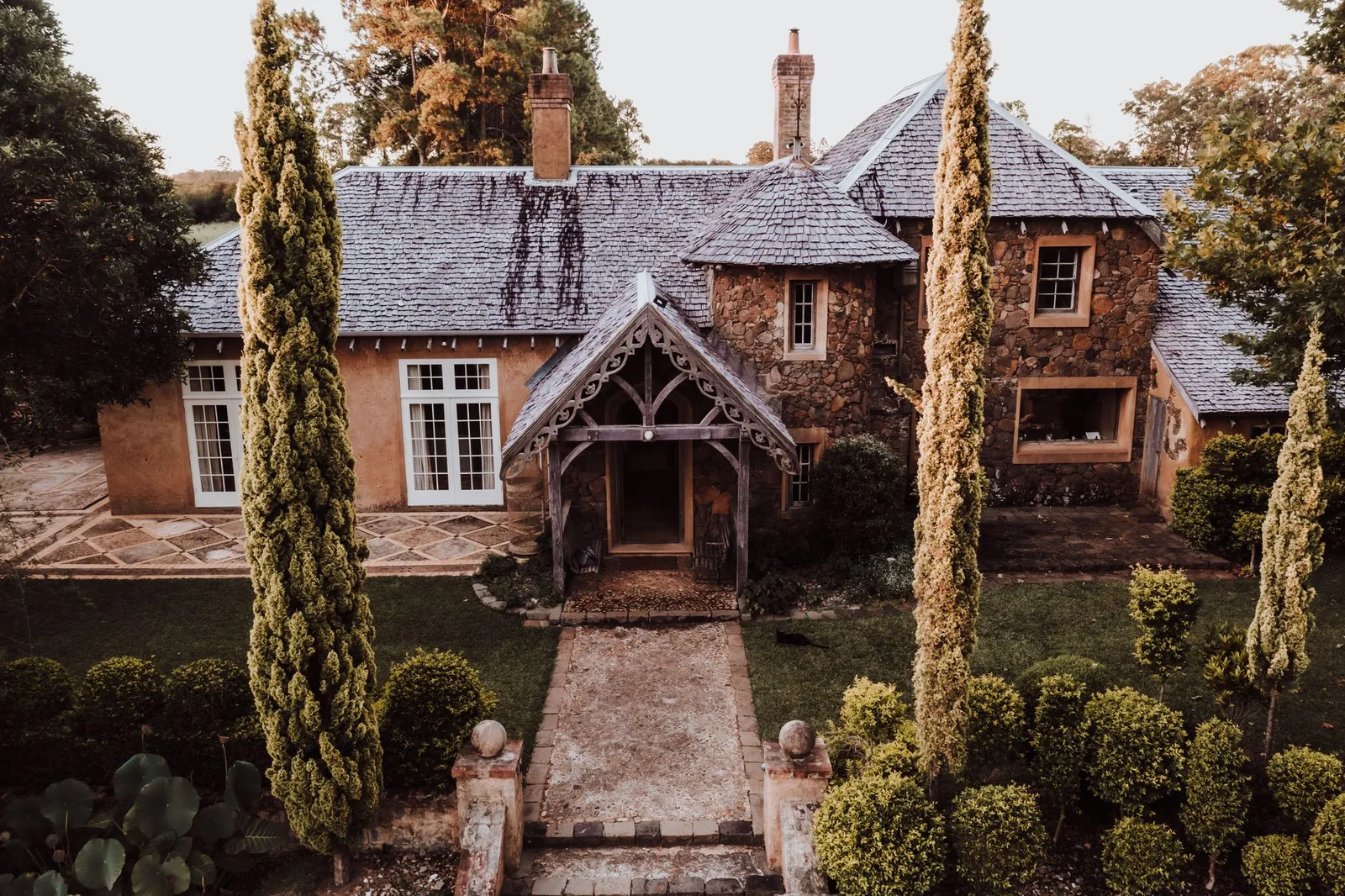
Probate is done, the house sits empty, and you and your siblings own it together and don't quite agree what to do. There's no wrong pace to take this at, but a few decisions are worth understanding early, especially the two-year tax window and what the land might really be worth. Here's a calm way to think it through.
The estate is settled, the will has been through probate, and now there's a house. Maybe it's the family home you grew up in. Maybe you and a brother or sister own it together now, each with a share and each with a slightly different idea of what should happen next. It's sitting empty, the rates and insurance still tick over, and none of you quite wants to be the one to say "let's just sell it."
There's no rush that matters more than getting this right, and grief doesn't run on a property timeline. But a few things are genuinely worth understanding sooner rather than later, because one of them is a clock. We help families work through exactly this, and we'll be straight about our bias: we develop property, so a developer's offer is one of the paths we can put in front of you. It's not the only one, and this piece walks through all three honestly.
The two-year window worth knowing about
Here's the one piece of timing that catches families off guard. When someone passes away and the property was their main residence, the tax rules generally let the estate or the beneficiaries sell it free of capital gains tax if it's sold within two years of the date of death. Sell inside that window and, in most straightforward cases, there's no CGT on the sale of the dwelling. Let the two years drift past while everyone deliberates, and the exemption can fall away, leaving a potential tax bill that simply didn't need to exist.
That doesn't mean you must sell in a hurry. There are extensions in some circumstances, the rules have real detail to them, and the cost base for an inherited property is often the market value at the date of death rather than what the parents originally paid. The point is only this: the clock is a fact, not a scare tactic, and you want a proper conversation with an accountant about your situation early, not in month twenty-three. We've written a general guide to how tax works when you subdivide or sell land, but this is one where personal advice earns its fee.
Path one: sell as-is on the open market
The simplest path is to list the house the way it stands and sell it to a family who wants to live there. No renovation, no styling battles between siblings over whether to repaint, just a clean sale and a settlement that splits the proceeds.
For a lot of families this is exactly right. It's quick, it's final, and it closes a chapter that's emotionally heavy to keep open. The estate agent prices it off comparable homes in the street, you accept a reasonable offer, and everyone can move on. If the house is in a plain residential area with no development angle, this is usually the whole story, and there's real value in it being simple.
Path two: sell to a developer for the land value
Sometimes the house isn't the valuable thing. The land is. If the block is large, on a corner, in a suburb where zoning now allows a duplex or townhouses, or sitting inside one of the areas the recent NSW planning changes have opened up, a developer may pay considerably more than a family would. They're not buying a three-bedroom house, they're buying a project, and they price it off what that project can deliver.
This is where families most often leave money on the table without knowing it. An agent's appraisal reflects house sales; it doesn't reflect development potential, and the two numbers can be a long way apart. Before you accept that the market price is the price, it's worth understanding how developers actually value land, and whether selling to a developer is the stronger option for your particular block. The critical move here is sequencing: get the development potential assessed before you list, not after, because once it's on the market as a house it's hard to unwind.
Path three: keep the land and share in the development
There's a third path that suits families who aren't in a hurry for the cash and would rather grow the value than cash it out today. You keep ownership of the land and enter a joint venture: a developer funds and runs the project, you contribute the site, and you take an agreed share of the finished profit. On a block that supports multiple dwellings, that share can meaningfully beat today's sale price, because you're participating in the uplift instead of selling it off at the start.
It asks more of you. It takes longer, there's project risk to sit with, and every co-owner has to be genuinely aligned to see it through. But for a family holding land with real development potential and no pressing need for a quick settlement, it can be the option that turns an inheritance into something larger. Our plain-English guide to how these joint ventures are structured lays out how the shares and the risk are actually divided.
Weighing speed against value, together
Underneath all three paths sits one honest trade-off: speed versus value. Selling as-is is the fastest and simplest, and for many families the peace of a clean finish is worth more than an extra chunk of money. Selling to a developer or partnering on a development can be worth more, sometimes a great deal more, but each takes time, patience, and a group of co-owners who can make decisions without the process fraying relationships.
Two practical things make all of this easier. First, get the co-owner agreement sorted before you're deep in any path. Who wants out now, who's happy to wait, how do you handle it if one sibling needs their share sooner. Naming that early prevents most of the friction later. Second, get the development potential assessed before you commit to selling as a plain house. That single number, what the land is worth to a developer, reshapes which path makes sense, and it costs nothing to find out.
We assess inherited blocks for families all the time, and we do it with no obligation and no pressure to sell to us. PropertyThrive will look at the property, tell you honestly whether it has development value or is simply a good home to sell as-is, and lay out the numbers for each path so you and your family can decide at your own pace. Book a free consultation and we'll have your answer back to you within 24 hours.
Ready to get started with developing a property?
Get your development assessment or speak with our development experts today
24-Hour Response Guarantee
Submit your details and receive your preliminary development assessment within 24 hours, guaranteed.
No Obligation, Completely Free
Our assessment and initial consultation are completely free with no strings attached. Only proceed if you're 100% happy.
Strategic Development Partnerships
Partner with us to maximise development potential through joint ventures, profit-sharing, or direct acquisition options.