Selling With the Neighbours: How Lot Amalgamation Works, and Who Captures the Uplift
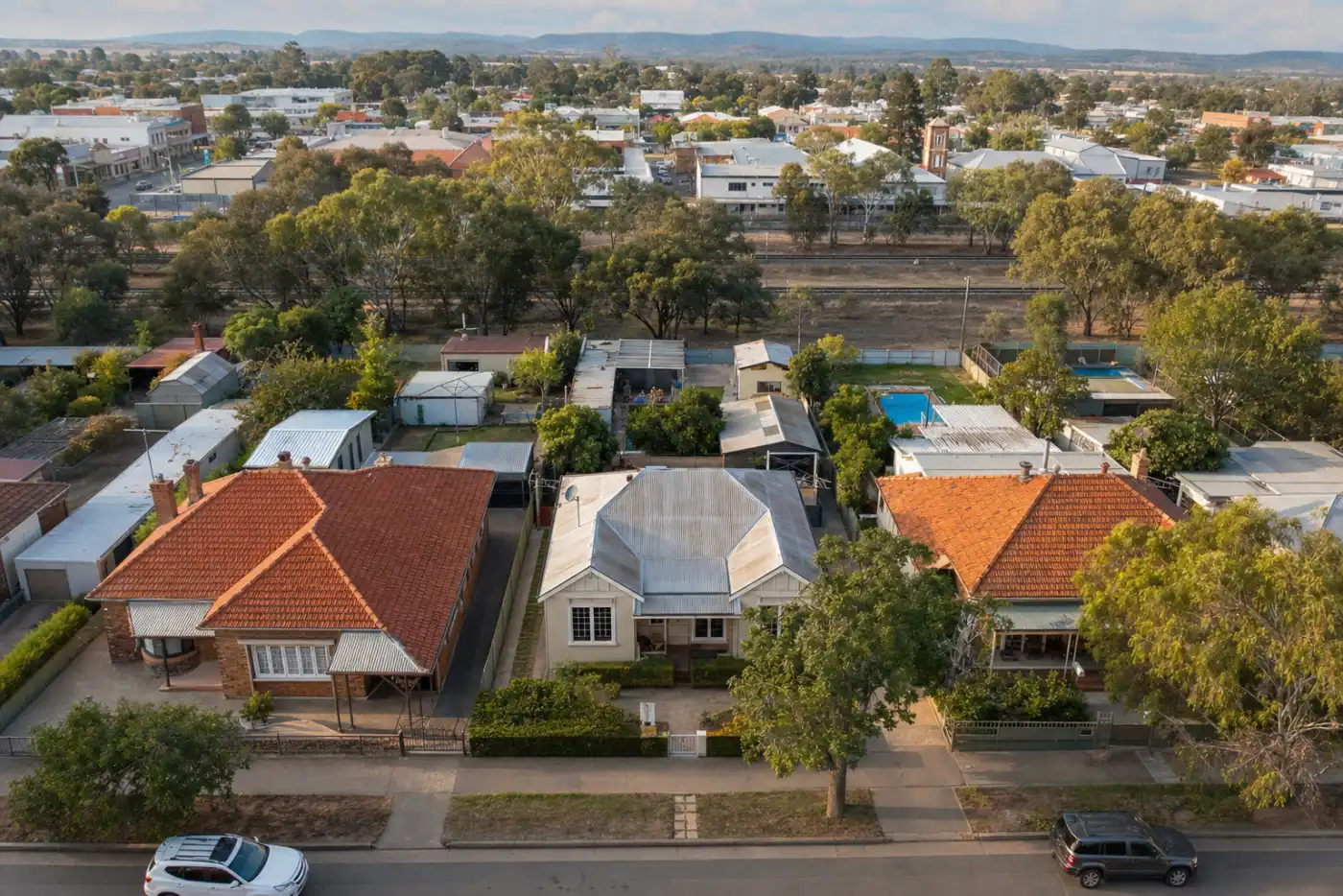
Three adjoining houses fetch one price sold separately and a larger one sold as a parcel, because a single narrow lot cannot physically use the floor space ratio the mid-rise controls allow and three lots together can. That difference is the assembly premium, and which side of the table keeps it is decided by how the group structures the sale.
Three adjoining houses are worth one number sold one at a time and a considerably larger number sold as a parcel. That difference is real, it is created by the planning controls rather than by anything the owners have done, and it goes to whoever assembles the site. Which of the parties at the table ends up with it is settled by a negotiation that most neighbours have never had with each other, usually before any of them realise the gap exists.
The arithmetic that creates it is unforgiving on a single lot. In the mid-rise bands a residential flat building can be built to a floor space ratio of 2.2 to 1, which on a standard suburban block is roughly 1,200 square metres of gross floor area. Fitting that into a compliant apartment building means satisfying building separation to both side boundaries, deep soil, communal open space, solar access and cross ventilation, all on a footprint perhaps 15 metres wide, with a basement ramp eating a chunk of what's left. The design criteria that apply once you cross into apartment territory were not written with a single suburban lot in mind. On most narrow sites the floor space ratio you can actually build sits well under what the map allows, and the difference between the two is value nobody collects.
Those controls are recent, which is part of why so few owners have priced them. The second stage of the Low and Mid Rise Housing amendment removed the minimum lot size and width for residential flat buildings in R3 and R4 within 800 metres of a nominated station or town centre, setting a floor space ratio of 2.2 to 1, a height of 22 metres and six storeys inside 400 metres, easing to 1.5 to 1, 17.5 metres and four storeys in the outer band. Removing the minimum lot size sounds like the generous half of that. It isn't, particularly. Nothing in the instrument stops you lodging on a 550 square metre block. What stops you is the building.
Put two or three adjoining lots together and the geometry resolves. Separation distances stop consuming the site because the neighbours you were separating from are now inside your title. One basement serves three lots' worth of dwellings. The floor plate gets deep enough to hang apartments off a single core, and the core is spread across more of them. The entitlement on the map becomes the entitlement you can actually build.
This is why the letters arrive in threes.
What a developer is really buying
An assembled site is worth more per square metre than the lots that make it up, and the reason is not sentiment. It's that the assembled site converts a larger share of its permitted floor space into sellable apartments. A buyer running the numbers on three houses as one parcel is pricing a project that works; the same buyer pricing any one of those houses alone is pricing a project that mostly doesn't.
That premium is the thing being negotiated, even when nobody names it. And the standard opening move is to secure the lots one at a time, quietly, at prices set as though each were a standalone site, then capture the assembly premium at the end. It is a rational move and it isn't dishonest. It just means the uplift the reforms created ends up with the buyer rather than the owners, and the owners generally don't find out until the DA goes on exhibition.
The counter is simple and hard: the owners talk to each other first. Three owners who have agreed, in writing, that they will only sell together are not three sellers. They're one site, and the site is what has the value. An owner who signs early and alone has given away the leverage that belonged to the group.
How the deal is actually structured
Amalgamation as a word suggests titles being merged before a sale. That's rarely how it goes. Consolidating the lots into one is a plan registered with NSW Land Registry Services, and it's normally the buyer's job after settlement, not something the sellers do to prepare.
What the owners sign is one of three things.
Interdependent contracts are the simplest. Each owner has their own contract of sale for their own property, and each contract is conditional on the others completing. Nobody sells unless everybody sells. You keep your own solicitor, your own price and your own title, and the group's leverage survives.
A put and call option is what developers usually want. The owner grants the developer a call option to buy within a set period, and the developer grants the owner a put option to force the sale near the end of it. An option fee is paid up front, often modest, and applied to the price. The value to the developer is time: they can obtain a development approval on the assembled site before committing to purchase, which is how they de-risk. The cost to the owner is also time. Your property is tied up, sometimes for a year or two, at a price fixed today.
A single contract with apportionment treats the lots as one parcel with a schedule setting out each owner's share of the total price. It's clean and it exposes the argument the other structures let you avoid.
That argument is worth having early. How the price splits between owners is not obvious. An equal split per square metre of land is the usual starting point and it is often wrong: a corner lot carrying the vehicle access, or the widest frontage in the group, does more work in the scheme than a mid-block lot of identical area. A lot with a sewer main across it does less. Splitting by contribution to achievable floor space rather than by land area is more defensible and considerably harder to agree on. Whatever basis the group picks, pick it before an offer arrives, not after, because a number on the table turns a technical question into a personal one.
Watch the option period. A two year call option with no obligation to exercise is a free look at your land: if the market turns or the DA disappoints, the developer walks and you've had two years of an unsellable property for an option fee. Negotiate the length, negotiate the fee, and get the conditions for exercise written tightly.
The holdout problem, from both sides
Every assembly has one owner who won't move. Sometimes it's principle, sometimes it's a price, and sometimes it's a person who simply likes their house.
If you're one of the group, the holdout is a genuine risk to your deal, and the honest response is to structure for it: an interdependent contract means the deal collapses rather than proceeding badly, and that's the correct outcome. If you're the holdout, you are worth more than the others and you know it, but only up to the point where the buyer redesigns around you or walks. Sites get abandoned. Neighbours who have already agreed to sell have long memories about who cost them the sale.
There is a middle route that the option structure obscures. Rather than all selling, the group can contribute land into the project and take a share of the finished result. That's a joint venture with several landowners on one side, and it's more complex than a sale, because the apportionment argument now runs for the life of the project instead of settling on one day. It also keeps the assembly premium and the development margin with the people whose land created them. On a site where the uplift is large, that difference dwarfs the price negotiation.
Tax doesn't pool
One thing that consistently gets missed in group sales: the tax outcome is individual, even when the sale is collective.
Each owner's capital gains position depends on their own cost base, their own ownership period and their own use of the property. A neighbour who has lived in their house since 1994 and a neighbour who bought an investment property in 2021 will keep very different fractions of an identical sale price. Where an option is used, the timing of the capital gains event can also differ from the settlement date. And a group that starts behaving like a development enterprise rather than a set of homeowners selling houses can bring GST into a transaction none of them expected to be taxable, which is the mechanism the CGT and GST on subdivision piece works through in detail.
The practical point is that the headline price per lot is not the number to compare between neighbours. What each of you nets is, and those can diverge sharply on identical land.
What to re-run before anyone signs
Assembly is a feasibility question wearing a neighbourly one, so the figures to work out are the same ones as always, run twice: once on your lot alone, once on the combined site.
Establish the combined area and the combined street frontage, then the floor space ratio and height that actually apply to your band rather than the headline number, using the NSW Planning Portal spatial viewer and the department's summary of the key provisions for the current standards, which have already been amended more than once. Work out the achievable gross floor area on the assembled site against the achievable gross floor area on your lot alone; the difference between those two, converted to sellable area and to end value, is the assembly premium the group is negotiating over. Set the apportionment basis and write it down. Price the option period as a holding cost, because a fixed price two years out is not the same as a price today. Then check what each owner nets after tax, individually.
If those numbers say the group is worth more together than apart, and they usually do inside the mid-rise bands, the group is worth more together in the negotiation too. What a developer will pay for your land is a function of what the land lets them build, and in these precincts the answer changes depending on who is standing in the conversation with you.
PropertyThrive runs this for owners at no cost, including the combined-site version where the neighbours are willing to be part of the assessment. We'll show you the entitlement on each lot, the entitlement on the assembled parcel, and where the difference between them ends up. Book a free assessment and you'll have the figures within 24 hours.
Ready to get started with developing a property?
Get your development assessment or speak with our development experts today
24-Hour Response Guarantee
Submit your details and receive your preliminary development assessment within 24 hours, guaranteed.
No Obligation, Completely Free
Our assessment and initial consultation are completely free with no strings attached. Only proceed if you're 100% happy.
Strategic Development Partnerships
Partner with us to maximise development potential through joint ventures, profit-sharing, or direct acquisition options.