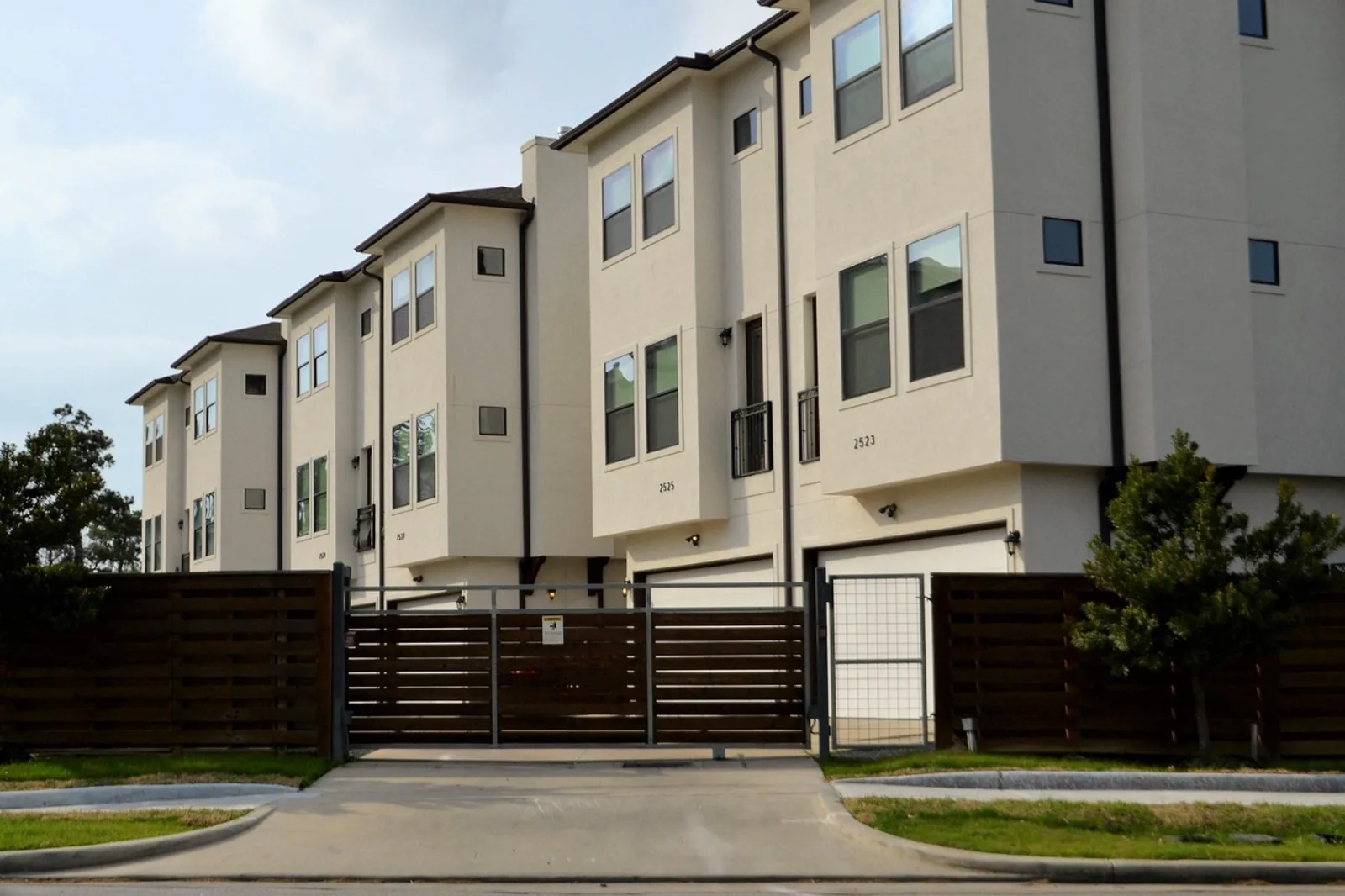
Subdividing a Dual Occupancy in NSW: The Second Approval, Lot Sizes and Title
A dual occupancy is two dwellings on one lot, so selling the halves separately needs a subdivision approval of its own. Where the 225 sqm and 6 m minimums apply, when complying development can do it, and which title the split creates.
A dual occupancy is two dwellings on one lot, so selling the halves separately needs a second approval that subdivides the land. Building two dwellings and splitting the title are separate questions, answered by separate rules, and a block can pass the first and fail the second on lot size alone.
This post covers the second step. What the two terms mean and why the difference matters is in duplex vs dual occupancy in NSW, and what a subdivision costs is in the subdivision cost breakdown, so neither is repeated here.
Is subdividing a dual occupancy a separate approval?
Yes. The approval to build the dwellings does not carry permission to divide the land. A dual occupancy is defined as two dwellings on one lot, and it stays on one title until a subdivision approval creates two lots.
Dual occupancies became permissible with consent in R2 zones across NSW on 1 July 2024, and that change did not touch subdivision. Our R2 zoning post sets out why the right to build two and the right to split are tracked separately.
What lot size do you need to subdivide a dual occupancy?
Under the NSW low and mid-rise housing standards, subdivision of a dual occupancy needs at least 225 square metres and 6 metres of width for each resulting lot. The Department of Planning's summary of key provisions lists this subdivision standard for R1, R2 and R3 zones only.
The same summary sets the standard for building the dual occupancy at a minimum lot size of 450 sqm and a lot width of 12 m. A 450 sqm block divided in half gives two lots of 225 sqm, which is why the two figures sit together.
These standards apply to residential land within 800 metres walking distance of a nominated town centre or the entrance of a nominated train, metro or light rail station. Outside those areas the minimum lot size comes from your council's Lot Size Map, and it varies by council. A figure from a neighbouring council tells you nothing about your block.
Can a dual occupancy be subdivided as complying development?
In some cases it can. The department's Essential Codes SEPP updates fact sheet describes a savings provision in the Low Rise Housing Diversity Code. A dual occupancy or terraces built as complying development can also be subdivided as complying development, and this covers changes to a local environmental plan between the build application and the application for complying subdivision.
The same fact sheet says an attached dual occupancy must have a common wall joining each dwelling. That matters for the split, because the wall ends up on the new boundary. How the complying development and development application pathways compare is covered in CDC vs DA in NSW.
Which title does the split create?
Subdividing can create two Torrens lots or a strata scheme. Torrens gives two independent lots with no owners corporation. Strata keeps shared ownership of the structure and land under an owners corporation. After a successful Torrens split, what you own is legally two semi-detached dwellings rather than a dual occupancy.
The two titles differ in build cost, services separation and resale. We compare them in Torrens vs strata subdivision, including how a Torrens split runs from consent through to registration.
What order do the approvals run in?
The sequence runs through four steps, and the second approval comes last.
- Approval to build: a development consent from council, or complying development where the site and design qualify.
- Construction and occupation: the dwellings are built to the approved plans.
- Subdivision approval: consent or a complying development certificate for the split, depending on the pathway.
- Registration: a plan of subdivision is lodged and two titles issue.
The design for the second step is set at the first. Services that must serve two lots, a party wall that sits on a boundary and a block that meets the lot minimums all have to be decided before the plans are drawn, because changing them afterwards means a redesign.
What to check before you buy or build
Three questions settle most blocks before any money is spent.
- Is the block in a low and mid-rise housing area? If so, the 450 sqm, 12 m and 225 sqm, 6 m figures apply to its zone.
- If it is outside one, what does the Lot Size Map set for subdivision in your council area?
- Does the site avoid the exclusions that apply to dual occupancy, such as flood, coastal and aircraft noise constraints? These are listed in the duplex vs dual occupancy post.
We model both title outcomes for an owner's block before any work starts. Ask us for an assessment and the one-title and two-title figures come back side by side.
Common questions
- Can a dual occupancy be sold separately in NSW?
- Only after the lot is subdivided. A dual occupancy is two dwellings on one lot, so it sits on one title until a separate subdivision approval creates two. Once the split is registered, the two dwellings are on their own lots and can be sold separately.
- What is the minimum lot size to subdivide a dual occupancy in NSW?
- Under the low and mid-rise housing standards, subdivision of a dual occupancy in R1, R2 and R3 zones needs at least 225 sqm and 6 m of width per lot. Those standards apply within 800 metres walking distance of a nominated town centre or station. Elsewhere the minimum lot size is set by your council's Lot Size Map.
- Can a dual occupancy be subdivided as complying development?
- Yes, in some cases. The Low Rise Housing Diversity Code includes a savings provision so that a dual occupancy built as complying development can also be subdivided as complying development, including where the local environmental plan changed between the two applications.
Ready to get started with developing a property?
Get your development assessment or speak with our development experts today
24-Hour Response Guarantee
Submit your details and receive your preliminary development assessment within 24 hours, guaranteed.
No Obligation, Completely Free
Our assessment and initial consultation are completely free with no strings attached. Only proceed if you're 100% happy.
Strategic Development Partnerships
Partner with us to maximise development potential through joint ventures, profit-sharing, or direct acquisition options.